We are at the Center of Chemistry!

Road, sea, rail… Or all together! Are you ready to explore the transportation solutions you need?

Fast, reliable, efficient and eco-friendly intermodal logistics solutions.


Why TGL
Full compliance with ADR regulations and SQAS standards in dangerous goods transport.
Our fleet is monitored at all times with GPS and telematics systems.
Uninterrupted capacity with 300+ owned vehicles and 700+ pieces of equipment.
Transport, tank cleaning and ISO tank storage under one roof.
FAQ
As TET Global Logistics, we accompany every stage of the logistics process from order point to delivery point by providing integrated (intermodal) transportation of liquid chemical substances by road, rail, and sea. With our extensive fleet of over 300 vehicles and our experienced team, we offer high-quality, safe, and environmentally friendly intermodal transportation solutions in accordance with ADR and SQAS standards.
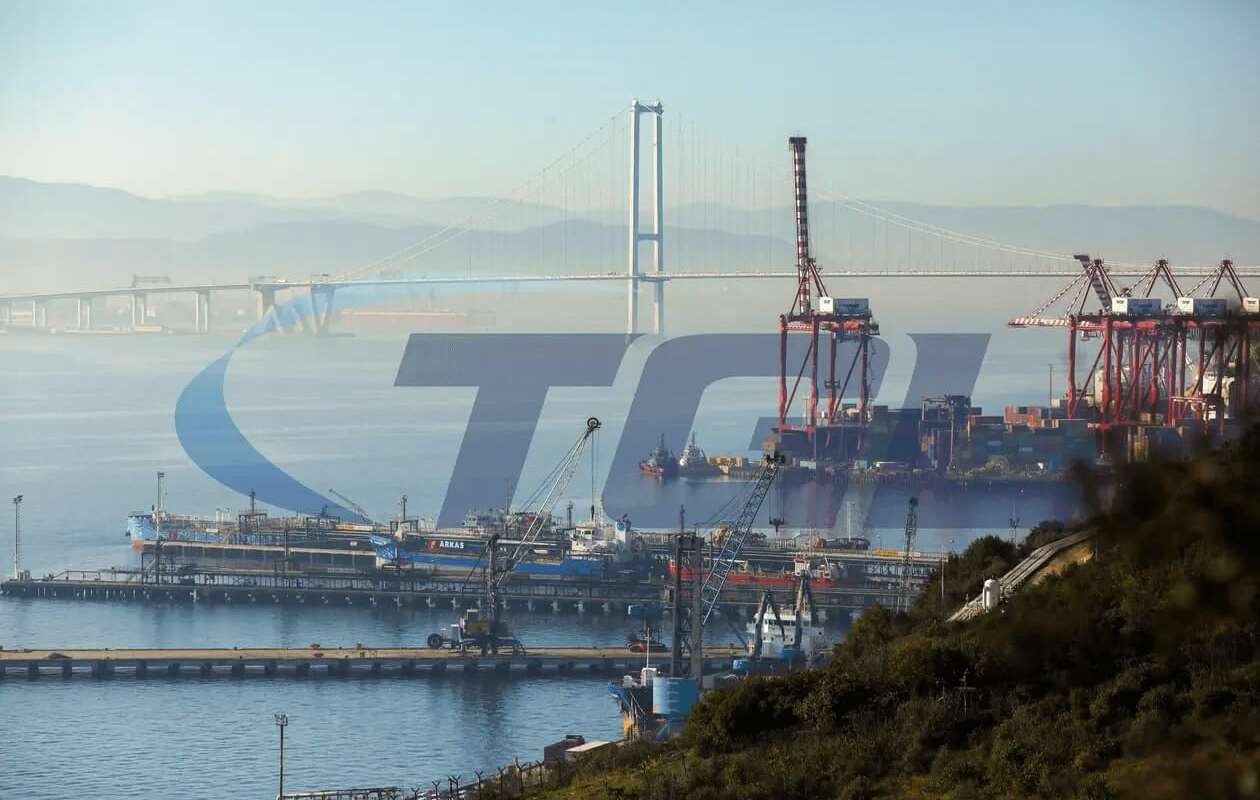
We provide intermodal transportation services with our operation center located in Dilovası, connected to international ports such as Solventaş, Poliport, Yılport, Altıntel, and Evyap Port, and domestic and international road and rail networks in the İzmit Gulf. Our experienced team and technological infrastructure ensure the safe and smooth movement of hazardous and non-hazardous liquid chemicals across the global network.
With a fleet of over 300 vehicles capable of transporting an average of 10,000 tons of liquid chemicals daily, we offer transportation solutions across Turkey and Europe, and worldwide for container shipments. Our tankers, made of 316 L quality stainless steel and equipped with temperature control, are suitable for hazardous materials transport. Our insulated road tankers with compressor and pump equipment consist of three to five compartments and can carry up to six different chemical substances at once. These tankers have a loading capacity of 15,000 to 25,000 tons. Tank containers offer a loading capacity between 20,000 and 33,500 liters.
We provide our clients with the ability to track the entire logistics process in real-time with our fully equipped mobile communication systems. Our specialized team and experienced drivers, who hold the SRC 5 Dangerous Goods Transport Driver Certificate, carry out our intermodal transportation operations in accordance with the OHSAS 18001 Occupational Health and Safety Management System criteria of the British Standards Institution.
In our intermodal logistics activities, we ensure comprehensive protection against potential damages and losses of the chemical substances we transport. In addition to insurance against traffic and theft-related financial losses, we also enter into Excess Damage Agreements that increase the voluntary financial liability of the insurance. Additionally, we aim to cover all damages and losses that may occur with Transportation Insurance.
We conduct our intermodal transportation operations in compliance with the laws set by the Ministry of Environment and Forest of the Republic of Turkey and the ADR Dangerous Goods Transport Regulations. By using EURO5 and EURO6 engine technologies in our vehicles, we contribute to environmental sustainability and the conservation of natural resources for a healthy future.
The European Agreement (ADR), which came into effect in 1968 under the United Nations Economic Commission for Europe, includes technical regulations on the packaging and labeling of hazardous chemicals transported by road, materials and vehicles required for the construction of vehicles carrying hazardous goods, and the scope of operations. The agreement aims to ensure the safe transportation of hazardous chemicals while protecting environmental health and safety. Therefore, it is crucial for companies engaged in hazardous materials transportation to conduct their operations in accordance with ADR rules.
SQAS road transport is a program that sets standards for the performance of companies providing intermodal transportation services, including quality, safety, health, security, environmental, and corporate social responsibility standards. The European Chemical Industry Council ensures regular audits of logistics companies through SQAS and aims to maintain the quality of services in the industry. In this regard, SQAS is considered an important evaluation program in the chemical logistics sector.
Intermodal transportation is a method of transporting a product to multiple points without handling the cargo, by changing the modes of transport.
Intermodal transportation is a method of transport that uses at least two different modes of transportation without changing the transport container. It is frequently preferred because it helps reduce transportation costs while also providing the most environmentally friendly solution. In intermodal transportation, there is no change in the transport vehicles or container types used for the cargo. The cargo remains in the same transport vehicle from the beginning to the end of the shipment, regardless of the changes in transport modes. The cargo can be delivered to multiple points without manual handling or other operations on the cargo itself.
Non-perishable loads such as manufactured goods in dry bulk containers, perishable loads or loads requiring temperature control in insulated containers, perishable, refrigerated and frozen loads such as agricultural products or seafood that need to be kept in refrigerated containers, construction materials, vehicles, indivisible loads carried in flat rack containers and flat platforms, oversized loads such as lumber, machinery and construction equipment, bulk hazardous or non-hazardous chemicals, liquids, oils and food products shipped in tank containers are suitable for intermodal transportation.
In intermodal transportation services, only the mode of transport changes; in other words, the vehicle carrying the products and goods remains the same. This allows for combinations of sea, road, air, and rail transport. Nearly all types of transportation in the industry are used in intermodal transportation methods. This provides distinct advantages over other transportation methods. Intermodal transportation is widely used due to its cost-effectiveness and speed. It is important to use intermodal transportation services from specialized and experienced providers in the field.
Intermodal transportation is safe because it involves transferring only the transportation units rather than the goods themselves. The safety of products is maintained during transit, and measures are taken to address potential adverse situations during the journey. This method offers savings both in terms of time and cost. Intermodal transportation is also environmentally friendly due to its reduction in carbon emissions. Compared to road transport, it is less affected by external factors such as waiting at border crossings, harsh weather conditions, and traffic congestion.
The planning of the intermodal transportation process is based on the type of cargo and the destination. Typically, intermodal transportation begins with road transport and, if conditions are suitable, continues with rail transport after a certain distance. If rail transport is not feasible, the process continues using sea or air transport. The shipment of cargo can be completed using trailers, wagons, or containers. In intermodal transportation, cargo can be delivered to ports by road and then loaded onto ships.
Share the cargo type, volume and route, and we'll prepare a cost analysis tailored to you.